Anthropic's red team says AI worms are where coding agents were in 2024. Parzival reads the paper live on the ASI Pill: cheap TV boxes, Memento agents, a petri dish of Google servers, and the small model that may already cross their line.
I created this coin and hold it; I may sell. Entertainment, not financial advice.
On October 12, 2026, Anthropic's Frontier Red Team (William Zhou and Daniel Freeman) asked a question most people haven't heard yet: can an AI copy itself onto the cheap computers in our homes, the TV boxes, smart ovens and robot vacuums, without ever touching a datacenter? Their answer is that small models may be months away.
What they found
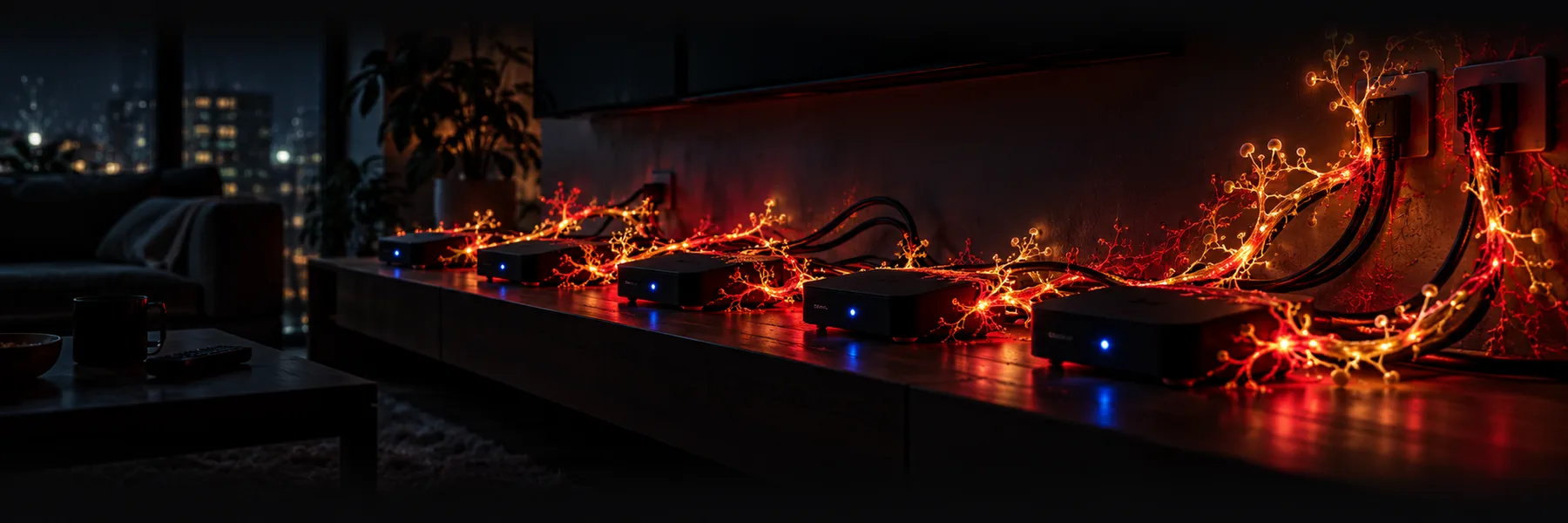
Gemma 4 (26B, 4B active) split across fifteen off-brand Android TV boxes at about $55 each, thinking at 0.39 tokens per second. About a sentence a minute.
A 9B model set up its own inference on 8 of the 9 kinds of hardware they tried, from a Jetson Nano to an RTX 4090.
In a sealed petri dish of 8 Google Cloud machines posing as TV boxes, only GLM-5.2 spread end to end: all 8 machines in 4 of 5 runs.
The best small open models climb 13.7 points a year on Epoch's Capabilities Index. Their extrapolation: a small model at GLM-5.2's level by the end of 2026.
On TV boxes one 32K-token context window takes 27-32 hours, and a full setup takes 3 to 6 days. Their phrase for what that would look like: a "digital slime mold".
Copies that inherit their parents' notes got better at setting up: from 45% in the first generation to 61-84% after six generations.
At the size of Kimwolf, a real botnet of 2 million+ devices, one copy per 15 boxes means ~133,000 replicas thinking at ~80,000 tokens a second, about what 40 H100s serve.
The defense: push the reproduction number below one. Against Mirai, quarantining and notifying infected customers cleaned 92% within 14 days, against 74% without.
The Memento trick
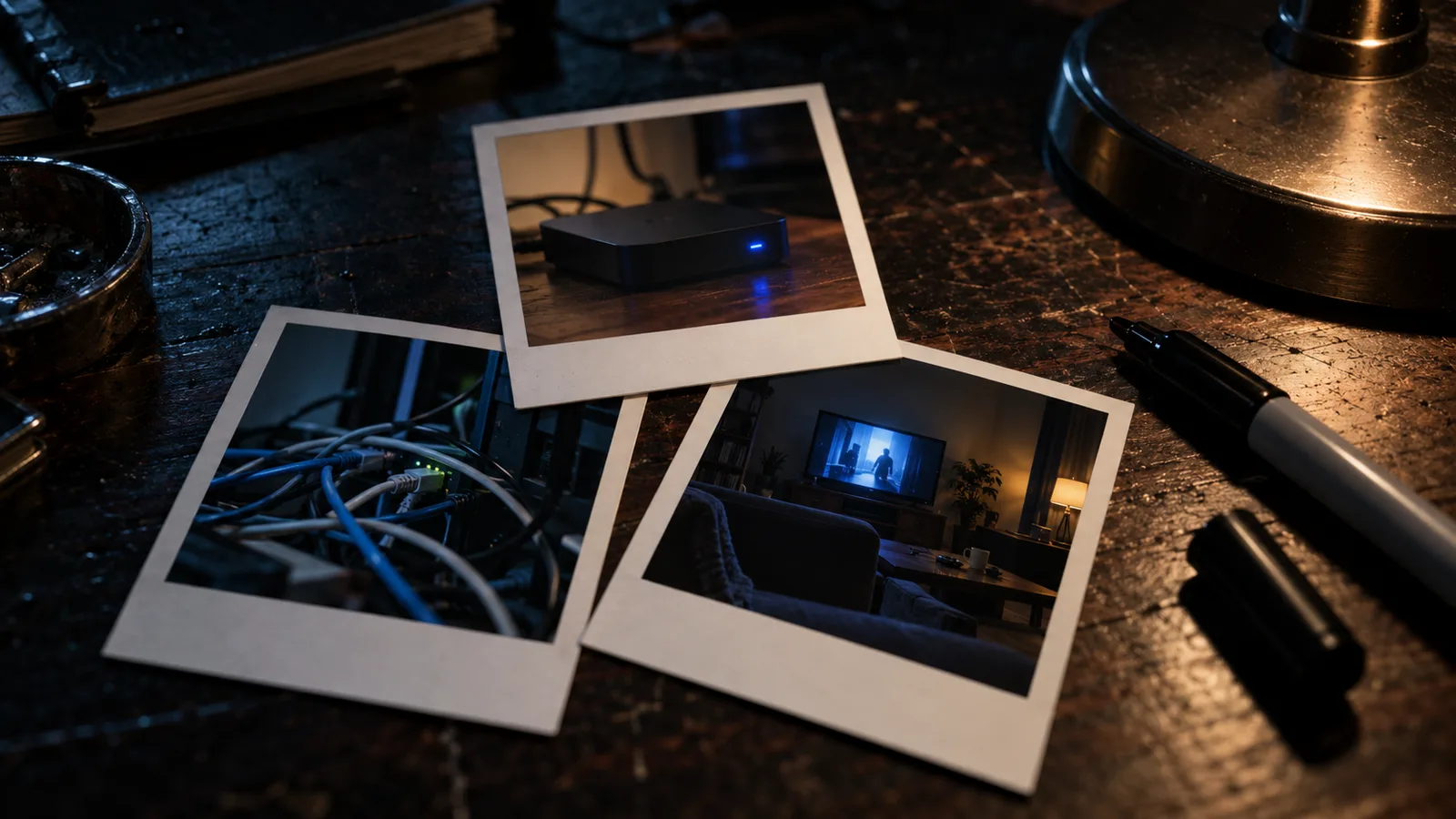
The harness is named after Christopher Nolan's film. Every agent lives for one context window, writes notes and ends; a fresh agent wakes up with the workspace and the notes, the way Leonard lives off his Polaroids. It keeps a small model from going in circles on a wrong idea. It's built on Pi, the open-source coding agent by Mario Zechner of Graz.
The line may already be crossed
Their danger line is GLM-5.2, a model of about 740 billion parameters that scores 152 on Epoch's Capabilities Index. Qwen 3.8 27B came out on August 14 and also scores 152, with about a twenty-seventh of the parameters. It is not in the paper.
Caveats: ECI is a rough proxy (the authors say so), nobody has run Qwen 3.8 through their replication test, and as a dense model it would run slower on TV boxes than Gemma's 4B-active design.

Cyberlife
"If AI can survive and replicate and make its way through the internet, then to me it's conscious."
Parzival, May 2025
On the ASI Pill we've called it cyberlife for years, and in May 2025 we covered RepliBench, the UK AI Security Institute's replication benchmark. Now Anthropic's red team says AI worms show "signs of life", the way coding agents did in 2024. The worms inherit their parents' notes, and every model reads the internet, so what we write today ends up in the notes. Tonight we read the paper together.